
Notes from a researcher, a writer, an editor and a coach.

Fluency and disfluency – their benefits for communication, writing and editing
When I was in primary school, our timetable included one period of music each week. I really don’t know why, because the school had no musical instruments or other equipment to support our learning of music, and our teachers were not trained to teach music. They always seemed to be at a loss about what to do in the allotted 55 minutes. Thus, in effect, the ‘music teacher’s’ role was to ensure we didn’t get up to mischief. Which is why we usually sat there in the classroom with nothing to do, bored out of our little scones.

Planting seeds for change
We often don’t – or rather, we cannot – realise the effects of great change while it is occurring.
Sometimes, seismic change can be evident immediately, even if we can’t foretell its long-term consequences. In publishing, an example of a great technological and economic change we saw as it rolled in was the introduction of the personal computer in the 1980s.
A life worth writing
One thing I learned early in my career was to closely observe and analyse trends in publishing – or at least to try. To stay abreast of what is being published (especially at what times of year) and what is being read, because they aren’t necessarily the same thing.

Looking for a discount?
There are certain times of year when the reality of marketing really hits home. Our inboxes and social media feeds are overflowing with sales offers, discount codes and exhortations to buy, buy, buy.

So you’ve finished your manuscript – what’s next?
Myths and misconceptions abound online about what to do when you have completed the draft of your manuscript. In this post I unpack a few of those and offer some tips for your next steps.
To launch and be launched
On Monday this week, Editors Victoria (a branch of the Institute of Professional Editors) hosted a launch online of my book, Editing for Sensitivity, Diversity and Inclusion: A guide for professional editors (2e, published by Cambridge University Press). I was thrilled to be in the company of more than 90 editor colleagues from across Australia and Aotearoa New Zealand, and a fruitful, albeit brief, discussion was had in the allotted hour.

You can lead an author to editing but you can’t make them think (like you)
Editors lament the difficulty they experience sometimes in convincing independent (indie) authors that their manuscript needs to be professionally edited (and proofread) prior to self-publication.
Writing and editing historical fiction
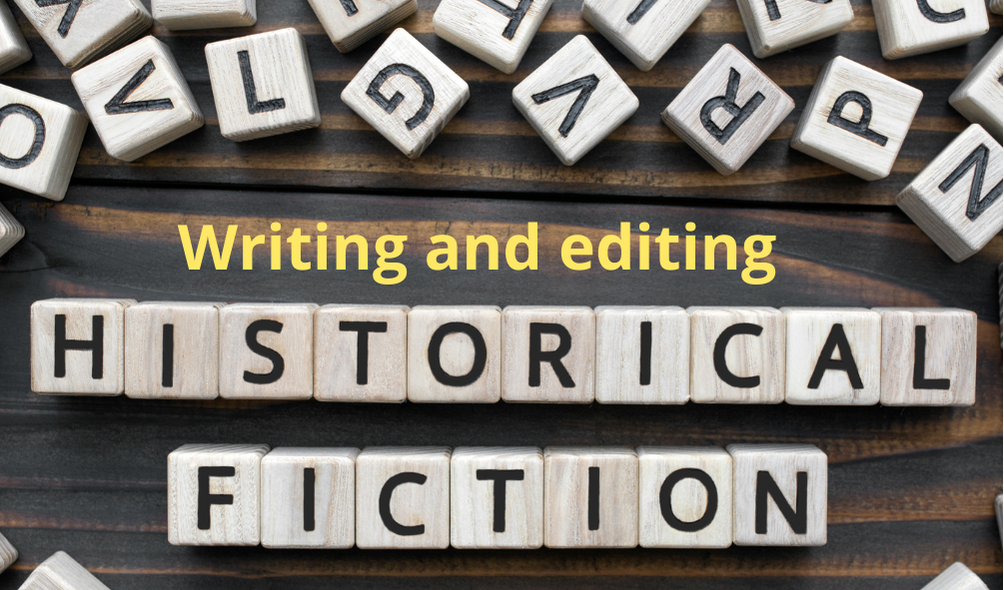
Historical fiction is one of the most popular literary genres.
And, if the rate of recent novel adaptations to film and television is anything to go by, its popularity is increasing.

Professional supervision for writers and editors
In a nutshell, professional supervision is a continuing relationship between practitioners in the same profession, whereby an experienced practitioner provides support for a counterpart’s professional practice. The supervisor is usually – but not always – a more senior practitioner. The supervisee may be a novice, early career or experienced practitioner.

Developmental editing … for editors
In my experience, most editors get their start in the profession through copyediting. This is the final stage in the editing process, and it focuses on polishing the manuscript (MS) at the word and sentence levels, prior to layout (typesetting). Commissioning and developmental editing are two higher-level (but not necessarily better) stages of editing that seek to guide the MS’s discourse and approach. And before these comes manuscript assessment (MA).

Finder’s fees, referral fees and kickbacks – what’s the deal?
In this post I focus on some ethical issues associated with finder's fees, referral fees and kickbacks in the editing profession.
We need to talk about…
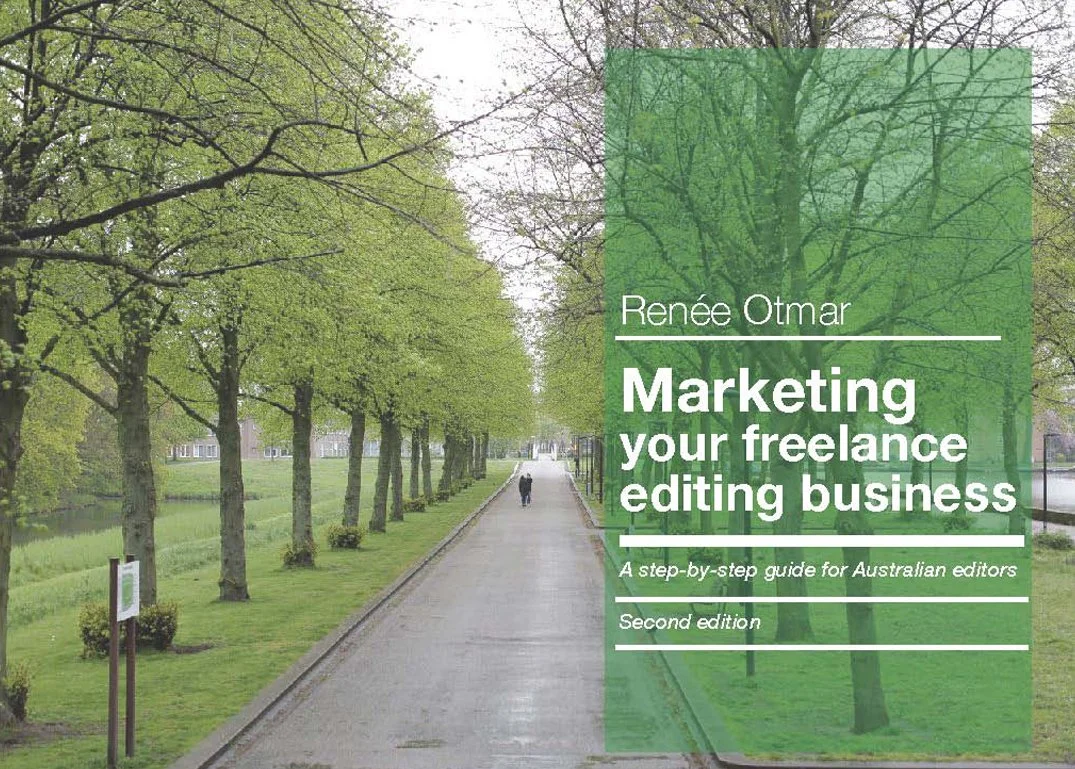
Build a sustainable freelance editing business. One that can grow as you grow. That allows you to be flexible and ethical and joyful and inspired.

Researching and collecting data from and about editors. Considerations in providing your personal data (Part 3 of 3)
This final instalment of a three-part essay starts with a case study and then explores some ethical issues that arose. It suggests questions to consider when you are approached to provide your personal data or to participate in research.

Researching and collecting data from and about editors. Research by, for and about editors (Part 2 of 3)
In the second of this three-part essay I explore some of the ethical issues associated in researching and collecting data from about about editors, and how we might go about ensuring best practice.
Researching and collecting data from and about editors. A question of ethics (Part 1 of 3)
What are the ethics behind collecting data from and about editors? In the first of a three-part essay I examine some of the different ways editors may wish to collect data from and about editors, editing and the profession as whole, and the types of research or activities they may be undertaking.