
Notes from a researcher, a writer, an editor and a coach.

Planting seeds for change
We often don’t – or rather, we cannot – realise the effects of great change while it is occurring.
Sometimes, seismic change can be evident immediately, even if we can’t foretell its long-term consequences. In publishing, an example of a great technological and economic change we saw as it rolled in was the introduction of the personal computer in the 1980s.
A life worth writing
One thing I learned early in my career was to closely observe and analyse trends in publishing – or at least to try. To stay abreast of what is being published (especially at what times of year) and what is being read, because they aren’t necessarily the same thing.
So you’ve finished your manuscript – what’s next?
Myths and misconceptions abound online about what to do when you have completed the draft of your manuscript. In this post I unpack a few of those and offer some tips for your next steps.

You can lead an author to editing but you can’t make them think (like you)
Editors lament the difficulty they experience sometimes in convincing independent (indie) authors that their manuscript needs to be professionally edited (and proofread) prior to self-publication.
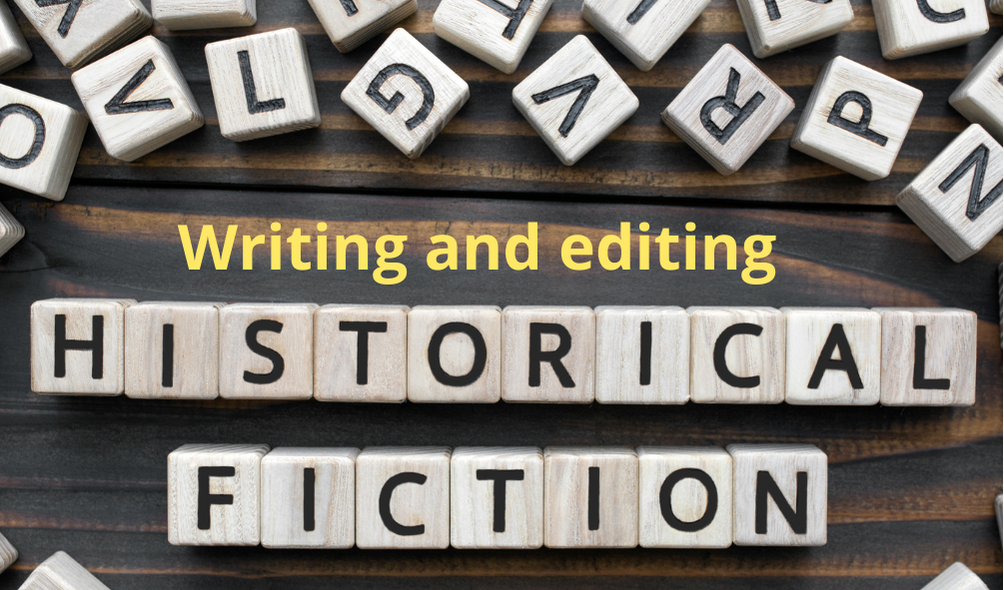
Writing and editing historical fiction
Historical fiction is one of the most popular literary genres.
And, if the rate of recent novel adaptations to film and television is anything to go by, its popularity is increasing.